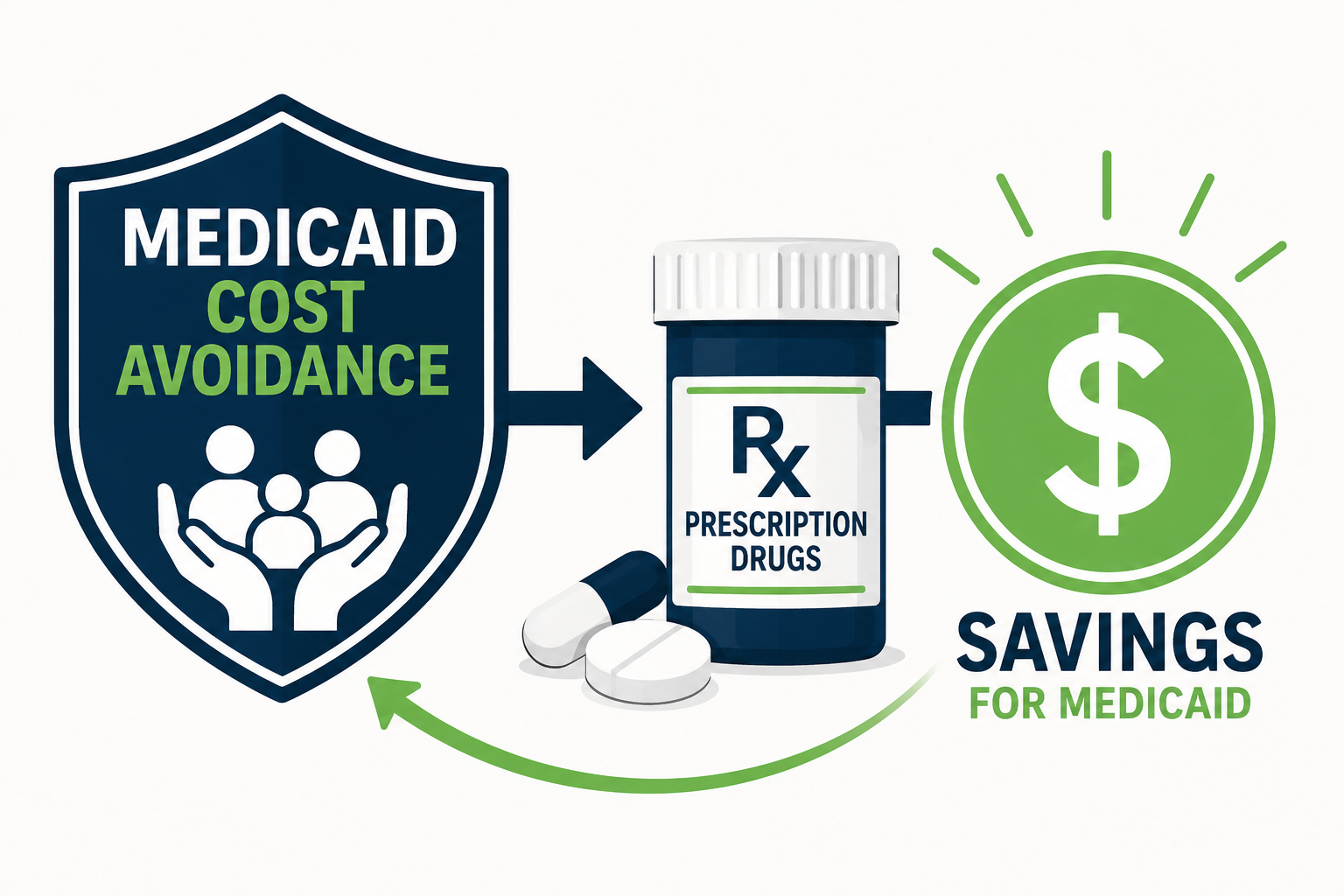
Cost Avoidance

Cost avoidance gives Medicaid health plans an opportunity to reduce unnecessary claims expenditures by establishing insurance responsibility before payment occurs. Rising healthcare costs and increasing demands on state Medicaid budgets have made this capability especially important. Recent actions involving Michigan's coverage reporting process, federal insurance...

Payment prevention is becoming a defining priority across Medicaid program integrity. Federal agencies continue to expand fraud enforcement, while Congress has strengthened financial accountability through the One Big Beautiful Bill Act (H.R. 1). Together, these developments reflect a broader shift in Medicaid—from emphasizing post-payment recovery...

Drug pricing reform has become a major focus of Medicaid cost-containment efforts. Policymakers continue exploring supplemental rebate programs, alternative purchasing models, and initiatives such as CMS's GENEROUS Model in an effort to reduce prescription drug spending and improve purchasing efficiency. These strategies may help lower healthcare...

Medicaid has become an essential safety net program that delivers access to health care for millions of Americans. Payment for this health care is either delegated to Medicaid or other third party insurance coverage. In 2012, 7.6 million people on Medicaid had other private health...