
31 Aug MEDICAID PAYMENT INTEGRITY SHOULD EXTEND ACROSS THE CLAIMS LIFECYCLE
Medicaid payment integrity requires controls before, during, and after claims adjudication. The latest HHS OIG review of federal improper payment requirements shows why strengthening each stage of that process remains important.
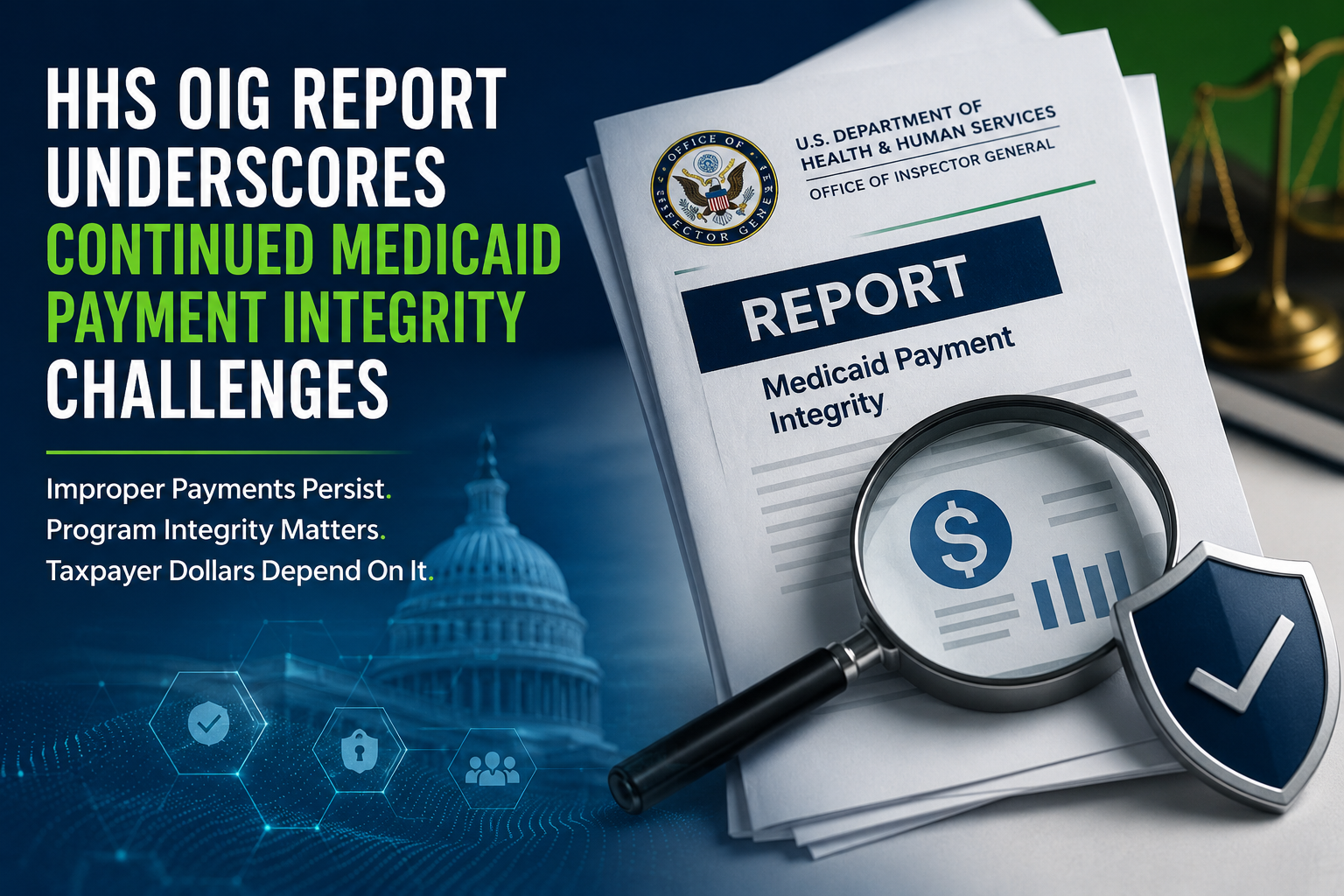
The August 2026 HHS OIG payment integrity audit found that HHS did not fully comply with federal requirements for FY2025. Medicaid’s improper payment rate increased from 5.09% in FY2024 to 6.12% in FY2025, and auditors determined that sufficient improvement in Medicaid payment integrity had not been demonstrated.
The findings provide another reason for Medicaid payers to examine where payment integrity controls operate within the claims lifecycle.
After Payment: Recovery
When Medicaid pays a claim and another responsible payer is identified afterward, recovery processes provide an important mechanism for returning those funds.
These processes remain necessary because not every source of third-party coverage will be known when a claim arrives.
However, relying primarily on pay-and-chase processes means Medicaid must first make the expenditure and then attempt to recover it.
Before Payment: Cost Avoidance
The alternative, when sufficient information is available, is to address liability before payment.
CMS TPL guidance distinguishes prospective cost avoidance from retrospective pay and chase. When another liable payer is known, the claim can generally be directed appropriately before Medicaid pays.
This supports Medicaid’s payer-of-last-resort role.
According to CMS Medicaid COB/TPL guidance, states are required to take reasonable measures to identify third parties that may be responsible for beneficiaries’ healthcare costs.
At Adjudication: Better Coverage Visibility
The point of adjudication represents an important opportunity between these two processes.
Syrtis Solutions’ real-time prospective cost avoidance technology helps identify active third-party coverage while claims are being processed, providing Medicaid payers with additional information before making a payment decision.
This does not eliminate the need for recovery. Instead, it strengthens the front end of a comprehensive TPL strategy by increasing opportunities to prevent payments when other coverage can be identified beforehand.
Medicaid payment integrity is strongest when prevention and recovery work together across the claims lifecycle. Increasing coverage visibility at adjudication can help Medicaid programs prevent avoidable expenditures while preserving post-payment recovery as an essential backstop.